×

The Standard e-Paper
Read Offline Anywhere





Audio By Vocalize
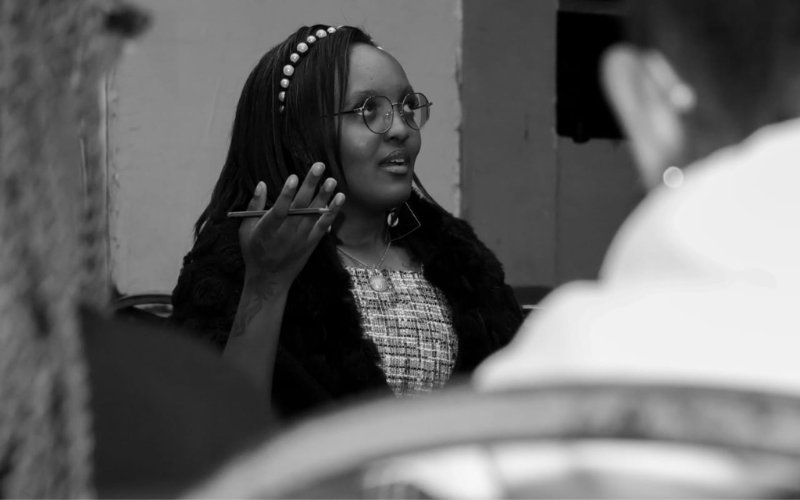
It is no ordinary Thursday morning at the waiting room of a Nairobi clinical psychologist, Dr Zola Ama (who doesn't appear on stage at all), when seven patients are all scheduled for the same 10 a.m. appointment.
The receptionist Alice Sade (Barbara Nyambura) is confronted with this unusual situation as the patients arrive within minutes of one another while the doctor’s office is locked from the inside.
Written and directed by Martin Abuya and produced by Wreiner Arnold Mandu of Igiza Arts, Do Not Disturb, a comedy drama, will be staged on August 1 and 2 at the Kenya National Theatre.
The strangers are famous radio personalities.
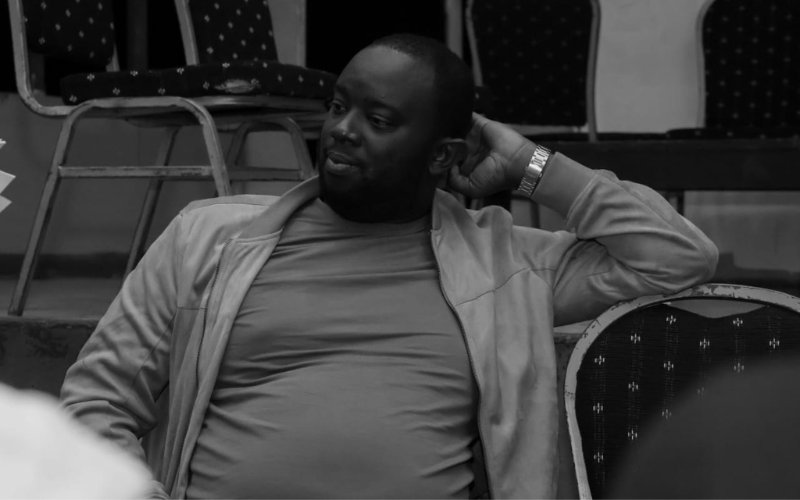
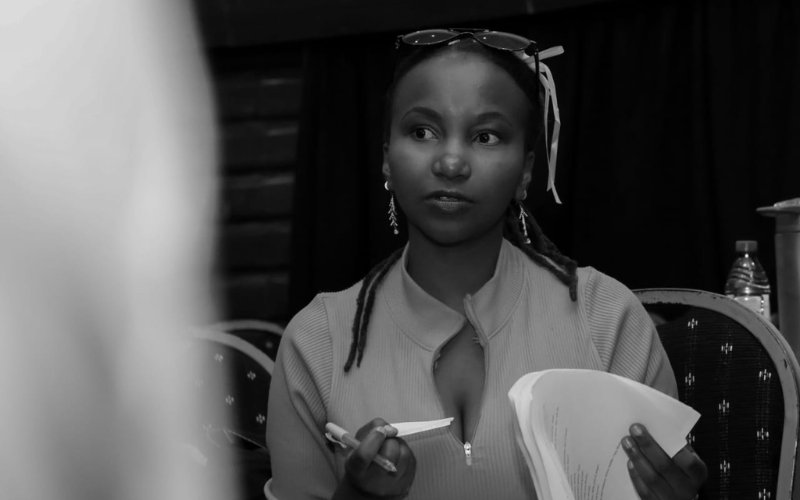
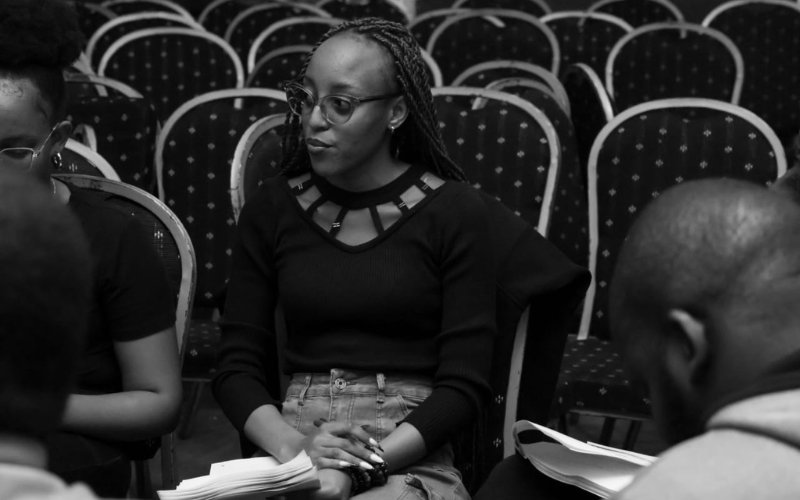
Zuri Addo (Alfan Ngari), who keeps checking his phone; acclaimed chef Tano Ade (Lisa Odhiambo), who can’t sit still; and a calm retired military officer, General James Bako (Sammy Waweru); psychology professor Dr Dayo Seke (Lucarelli Onyango), who brought his own book; composed corporate lawyer Amara Sade (Tracy Kajuju); headmistress Adisa Seko (Milka Wangui); and florist Rose Ama (Margaret Wairimu), who speaks very little but notices even the subtleties.
In their waiting, minor coincidences lead them to see that they have overlapping life experiences, secrets, and histories that make the city feel small. What was once a light-hearted comedy turns into a psychological drama as they realise that their meeting may not have been accidental.
The play was conceptualised with the setting of a therapy waiting room.
"I kept thinking about how people behave in those spaces, how they sit, wait and pretend to be calm. Then I wondered, what if the waiting room were not just a waiting room? What if it was the trap?" he says.
He chose a psychologist's waiting room because it represents a place where people naturally lower their guard.
"A therapy waiting room feels safe. It is quiet, polite and designed to lower your guard. That made it the perfect place to confront people who are used to hiding behind status and good manners," he explains.
Abuya explains that the story follows seven strangers who discover that they have been brought together for a reason, while receptionist Alice seems to know far more about them than they should.
The seven characters come from different professional backgrounds to represent the many ways people relate to guilt and responsibility. He was interested in how big wrongdoing comes from many small actions.
“Each character comes from a different world, and each has a different relationship with guilt. Some knew what they were doing. Some looked away. Some were used without understanding the full picture," he says.
Though the play starts off with humour, Abuya says that the lighter moments are intentional. Strangers, he notes, don’t immediately confess their worst choices. They joke, perform and make small talk, and the humour lets the audience relax before the room gets intense.
Do Not Disturb further explores the contrast between public image and private truth.
“These characters are respected people, but the room slowly strips away that polish. What is left is much harder to explain away,” he says.
He says that the characters’ behaviours are lifted off from familiar observations of life in Nairobi, where people mask off their real experiences.
The script also developed throughout the writing process, with Abuya removing additional characters, a subplot outside the waiting room and an interval to keep the entire story contained in a single setting to intensify the conflicts.
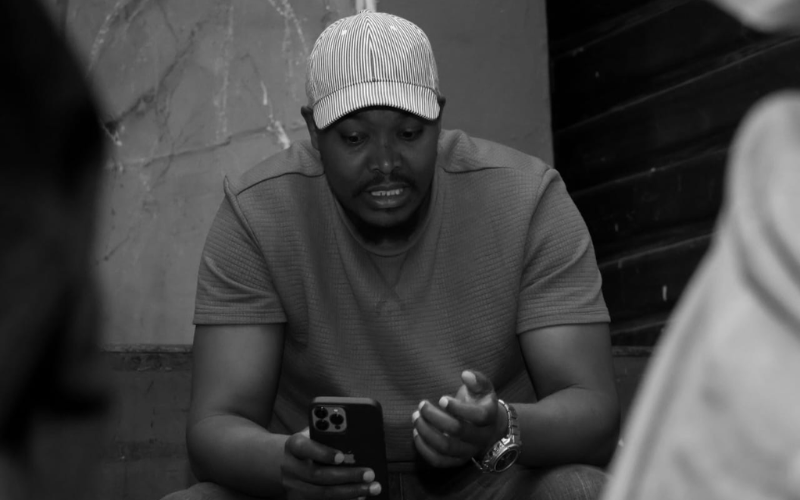
He shares that the greatest challenge in this production has been ensuring the technical elements such as lighting, timing, and the physical transformation of the room to support the emotional parts of the storyline.
He credits the rehearsals for refining the work with the cast uncovering nuances that weren’t apparent in the script before. One rehearsal, for instance, during a confession in the second act, prompted him to slow the pacing for audiences to fully absorb its intensity.
He believes that 'Do Not Disturb' resonates with contemporary audiences, for it examines how responsibility is diluted in institutions and people.
"Big failures are made up of many small choices by people who can each say, honestly or not, that they only played a small part. The play puts those people in one room and removes the excuses. They can’t pass the blame along but take accountability,” he says.
Subscribe to our newsletter and stay updated on the latest developments and special offers!